.png?width=1676&height=300&name=WS_Logo_full_blue%20(1).png "Workstand full logo")

The Bike Shop Marketing Guide for 2026
Independent bike shops have always competed on expertise, service, and community. But in 2026, those advantages only pay off if customers can find you, trust you before they walk in, and hear from you after they leave. That's a marketing problem, one most shops haven't fully solved.
This guide covers the complete picture: your website, local search and paid ads, email, e-bike marketing, social and community strategy, measurement, and seasonal planning. It's built on what we've learned working with over 1,300 independent dealers, and where relevant, we'll show you the numbers that explain why one approach outperforms another.
One note before we start: this guide is for any independent bike shop, regardless of what website platform or POS system you're using.
The State of Bike Shop Marketing in 2026
As any in the industry know, it's been a weird five years. That topic has been dissected on many platforms (and we have 2025 data about it here). What's less discussed is what happened to the marketing landscape during the same period.
The shops that used the boom years to build their customer list, develop their digital presence, and establish local search authority are in a fundamentally different position today than shops that didn't. The difference isn't dramatic in any single month. Over three to five years, it compounds into a real revenue gap.
A few things have shifted in the last 24 months that every shop owner should understand.
Local search has become more competitive. "Bike shop near me" queries have grown steadily since 2018, and Google's local pack now shows only three results. If you're not in the top three, you're largely invisible to the highest-intent local searchers. These are the people who've already decided they want a bike shop and just need to pick one.
AI overviews are changing how people interact with search results. Roughly 58% of Google searches now produce an AI-generated summary above the organic results. Click-through rates drop by about 34% when an AI overview is present. This matters for informational content — blog posts, FAQ pages, product guides. It makes local SEO (where AI overviews are less prevalent) and direct email marketing even more valuable than they were two years ago.
E-bikes have become the dominant revenue opportunity at retail. Electric bikes now represent nearly half of all internal site searches on IBD websites. They've overtaken traditional bikes in revenue share at many shops. The buyer profile is different — older, often not a cyclist by identity, higher AOV, and more reliant on the shop's expertise and education. Most shops haven't adjusted their marketing to reflect that shift.
Your Website: More Than a Brochure
For most bike shops, the website serves one of three roles: a digital brochure that lists hours and location, a catalog that shows inventory, or a full commerce platform where customers can browse, buy, and pick up in store. The difference in business outcomes across these three tiers is significant.
The most important shift in how IBD websites actually get used: customers are doing pre-visit research, not just in-store browsing. They check inventory before driving to the shop. They look at photos and reviews before deciding which shop to visit. They read about the shop's service department and staff. A website that doesn't serve that research process is losing customers to shops that do.
What a high-performing IBD website does:
Online purchasing for local pickup, sometimes called BOPIS (buy online, pick up in-store), has quietly become one of the highest-leverage features for bike shops. In the Workstand network, 36% of online orders are fulfilled as in-store pickup, which is more than three times the national retail average. It drives foot traffic, and foot traffic drives incremental purchases.
Mobile performance matters more than most shop owners realize. Just over half of all ecommerce transactions on IBD platforms now complete on a mobile device. If your website isn't fast and easy to navigate on a phone, you're losing those customers before they ever call or visit.
Product catalog depth directly affects search visibility. Pages that describe specific bike models, components, and service packages, with real content, not just a SKU and a photo, give Google something to index and customers something to evaluate. Catalog depth is one of the clearest separators between shops that generate organic search traffic and shops that don't.
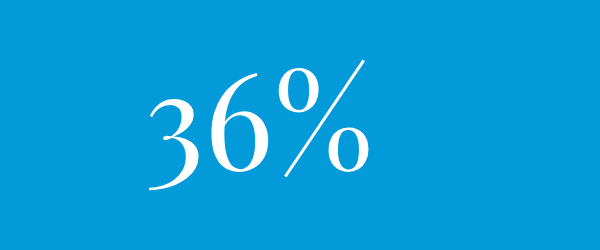
% of online orders picked up in store.
That equalled over 77,000 store visits across Workstand retailers in 2025.
Workstand builds and hosts websites built just for bike shops, with deep brand and product catalog integrations, built-in ecommerce, and marketing tools designed around how IBDs actually operate. If your current website isn't doing the things described above, it may be worth a conversation.
Getting Found: Local SEO, Google Ads, and the "Near Me" Opportunity
Most independent bike shops don't need to rank nationally. They need to rank for the people within 15 miles who are ready to buy a bike, book a service, or find a specific part. That's a more achievable goal than it might seem, and the competition is beatable for shops willing to do the work.
Local SEO and Google Business Profile
Your Google Business Profile is the single highest-ROI free marketing asset available to a local bike shop. A complete, well-maintained profile directly influences your appearance in the local pack — the three-business result that sits above organic results for location-based searches.
The highest-leverage actions: upload current photos of your shop, inventory, and staff regularly (Google rewards active profiles); respond to every review, positive and negative; keep your hours accurate including seasonal changes and holiday closures; use the posts feature to announce events, promotions, and new inventory. These aren't complicated, but most shops do them inconsistently or not at all.
On-site SEO for local shops should be targeted to the local aspect. Produce ride guides like: where to go, what to wear, trail maps, and local tips like wiping down your chain to avoid rust or going tubeless to dodge goatheads. These are the type of topics your riders are going to Reddit or Facebook to learn about.
Google Ads for Bike Shops
Paid search is worth running for most independent bike shops, with realistic expectations. The right campaigns to start with are branded protection (so competitors can't bid on your name), local service searches ("bike repair [city]," "bike tune-up near me"), and seasonal promotions tied to your highest-margin products.
Google Shopping campaigns work particularly well for bikes and accessories with strong visual appeal and clear pricing. Shops in our network that run managed Google Ads campaigns report an average return of approximately $8 for every $1 spent on paid search — but that return depends heavily on landing page quality, campaign structure, and consistent optimization. A poorly managed campaign can easily produce the opposite result.
The key question isn't whether to run ads, it's whether you have the time to manage them well. Google Ads rewards active management — adjusting bids, pausing underperforming keywords, testing new ad copy, reviewing search term reports for waste. Shops that set up campaigns and walk away typically see declining performance within 90 days.
Workstand manages Google Ads campaigns for independent bike shops — including shops not on the Workstand platform. If paid search is on your list but active management isn't realistic with your current bandwidth, that's a conversation worth having.
.jpg?width=500&height=400&name=featuredad-final%20(1).jpg)
Email Marketing: The Highest-ROI Channel Most Shops Underuse
Email consistently outperforms every other digital channel for local retail. The average return across industries is $36-42 for every $1 spent (Litmus, 2024). For bike shops specifically, the performance case is even stronger: your customers are passionate, loyal, and often eager to hear from you about new products, rides, and events. They opted in for a reason.
The problem isn't that email doesn't work for bike shops. It's that most shops send emails irregularly, without a strategy, and wonder why engagement is low.
Building Your List
Your best email list growth opportunity is at the point of sale. Every transaction — a bike purchase, a service ticket, an accessory sale — is a natural moment to collect an email address. A simple ask ("Can I get your email for your service receipt and future promotions?") converts at a high rate when it's a consistent part of the checkout process.
Additional list-building opportunities: workshop and event registrations, website popup offers (10% off accessories for new subscribers), and service appointment confirmation flows that request an email if you don't already have one on file.
If email marketing is something you want running consistently but don't have the bandwidth to manage, Workstand's marketing team handles campaign planning, writing, and deployment for bike shops — on our platform and others.
Campaigns vs. Automation
Most shops think of email as campaigns — seasonal promotions, event announcements, new inventory alerts. These are valuable, but they require ongoing effort to produce, and an unmaintained email program tends to go quiet for months at a time.
Automated email sequences are the higher-leverage investment because they run continuously without ongoing effort once configured. The automations that perform best for bike shops:
Welcome sequence (3 emails over 7-10 days): Introduce the shop's story and staff, highlight your service capabilities, and make a first-purchase offer. Welcome emails average open rates above 80% — no other email type comes close. Use that attention.
Post-purchase service reminder (triggered at 6 months): "Your bike has been on the road for six months — time for a quick tune-up?" For shops that sell high-end bikes and want to build a service relationship, this is the most natural upsell in cycling retail. It also keeps your shop top-of-mind during the months when customers aren't actively shopping.
Workstand IQ Loyalty (formerly Retail Toolkit) automates this kind of post-purchase outreach based on real transaction data — service reminders, lapsed customer win-backs, and loyalty triggers tied to purchase behavior. It's available to Workstand subscribers and runs without manual intervention once configured.
E-bike buyer education sequence (5-7 emails over 30 days): E-bike buyers need more post-purchase support than traditional bike buyers. Battery care, charging best practices, when to bring the bike in for diagnostics, how to read the motor system — this is expert knowledge your shop has and your customer needs. An education sequence positions your shop as a trusted resource, increases service revenue, and reduces the "I didn't know I needed to come in" service problems.
Seasonal tune-up campaigns: A February "spring prep" email and a September "fall ride season" email should be on every bike shop's calendar. These are among the easiest campaigns to write because the message is obvious, and the timing is predictable enough to set up months in advance.
Abandoned cart recovery: For shops with online checkout enabled, abandoned cart emails send automatically to customers who added items to their cart but didn't complete the purchase. Industry benchmarks show these emails open at roughly 50% and convert at around 3% — both figures far above standard promotional emails. If you have a cart and you're not running abandoned cart recovery, you're leaving recoverable revenue on the table.
Segmentation Basics
You don't need a sophisticated CRM to do basic segmentation. The two most useful segments for most shops: customers who've purchased a bike (high CLV, service candidates) vs. customers who've only purchased accessories or apparel (lower engagement, need a different message), and e-bike buyers vs. traditional bike buyers (require different post-purchase content entirely). Even simple list splits improve relevance, and relevance is what drives open rates over time.
The E-Bike Marketing Opportunity
E-bikes are no longer a niche category. At retail, they now represent the largest single revenue opportunity for most independent dealers — but the marketing approach that works for traditional bikes often falls flat with the e-bike buyer.
The e-bike customer profile is different in almost every dimension that matters for marketing. The average e-bike buyer is older, often over 50, frequently not a regular cyclist, and motivated by utility or health rather than performance. Their online research behavior differs: they're more likely to search by use case ("e-bike for commuting," "electric bike for hilly terrain") than by brand or model. They need more reassurance, more education, and more hand-holding through the purchase process. And their average transaction value is substantially higher — which justifies more marketing investment per customer acquired.
What this means for your Google Ads: Bid on use-case keywords ("electric bike for seniors," "e-bike for neighborhood riding," "electric commuter bike") in addition to model and brand terms. These keywords have lower competition than broad e-bike terms and higher purchase intent from the right buyer segment.
What this means for your website: Create dedicated landing pages or category pages for your e-bike inventory that speak to benefits, not just specs. Range per charge, motor type, and battery warranty matter to this buyer — but so do "is it hard to ride?", "how do I charge it?", and "what happens if something breaks?" Answer those questions on the page.
What this means for your email marketing: As noted above, e-bike buyers need a distinct post-purchase track. The shops that build a reputation for excellent e-bike service and customer education are positioned well as the market continues to grow. The shops that treat an e-bike sale like any other bike sale are missing the long-term relationship.
What this means for social: E-bikes attract a customer who may not follow cycling accounts or cycling hashtags. They follow local community groups, neighborhood Facebook pages, senior center newsletters. Local community sponsorships and neighborhood-level social advertising often outperform cycling-audience targeting for e-bike demand generation. More on this here.
Community, Social, and Content Marketing
The IBD's most defensible competitive advantage over any online retailer or DTC brand is community. Group rides, events, local sponsorships, and in-store programming build loyalty that no algorithm can replicate. The marketing opportunity is using your digital channels to extend that community to people who haven't met you yet.
Social Media: Platform by Platform
Instagram is a visual platform best used for product storytelling, staff personality, and lifestyle content. New bike builds, trail photos, shop events, and customer spotlights all perform well. Don't overthink this — a consistent presence of two to three posts per week with authentic photography outperforms sporadic high-production content.
Facebook still has the highest penetration in the 40+ demographic, which increasingly overlaps with your high-value e-bike buyer. Local community groups, event promotion, and Facebook Ads for local audiences (radius targeting, interest targeting around cycling and outdoor activities) all belong in your Facebook strategy.
Google Business Profile posts are often overlooked as a "social" channel, but they influence local search rankings and appear directly in search results. Weekly posts with new inventory, events, or shop news require minimal effort and have a direct SEO benefit.
The platform you probably don't need right now: TikTok. Unless someone on your team genuinely enjoys creating short video content and has the time to do it consistently, the ROI is low compared to the channels above.
Content Marketing
Blog content and educational pages on your website serve a dual purpose: they help potential customers find you through organic search, and they position your shop as the local expert. The content that performs best for bike shops:
- Local trail and route guides (high local search volume, builds community connection)
- Seasonal maintenance guides ("how to prepare your bike for spring," "how to store your bike for winter")
- E-bike buyer guides ("how to choose an e-bike for [use case]")
- Event coverage and local riding community content
The key discipline: consistency over volume. One quality post or page per month maintained over two years will outperform a burst of ten posts followed by silence. Search engines reward consistent publishing, and so do regular readers.
Measuring What Matters
Most shop owners either measure nothing, or drown in data from Google Analytics without knowing what to act on. The goal isn't a comprehensive marketing dashboard — it's a handful of numbers that tell you whether your marketing is working and where to adjust.
The core framework: Revenue from marketing channels = Traffic × Conversion Rate × Average Order Value. Each lever is separately improvable.
The metrics worth tracking monthly:
-
Website traffic and source breakdown. How many people visited your site this month? Where did they come from — organic search, paid ads, direct, social? Trends in channel mix tell you which investments are paying off.
-
Google Business Profile views and actions. The GBP dashboard shows how many people saw your profile in search results and how many took action (clicked to call, clicked for directions, visited your website). This is your most direct window into local search performance.
-
Email open rate and click rate. Benchmark: a 20-25% open rate and 2-3% click rate are healthy for retail. Below that, you likely have a list quality or subject line problem. Measure these per campaign, not just in aggregate.
-
Online revenue and AOV. If you have an online store, track monthly revenue and average order value. In our network, the average online order is approximately $458 — if yours is significantly lower, your product mix or merchandising may need attention.
-
New vs. returning customer ratio. A healthy bike shop grows through both new customer acquisition and repeat purchases. If your ratio is shifting heavily toward new customers only, your retention marketing needs attention. If it's almost entirely returning customers, you may have a top-of-funnel problem.
A Seasonal Marketing Calendar for Bike Shops
One of the most practical things you can do today is map your marketing activities to the calendar year. Bike shop marketing is inherently seasonal, and planning campaigns in advance — rather than scrambling to respond to the season as it arrives — dramatically improves execution quality.
-
January–February: New Year fitness and resolution shoppers are actively searching. Run "Start Cycling" campaigns targeting new riders. February is the right time to send a spring tune-up reminder to your existing customer list. Launch any spring pre-season promotions with early-bird pricing.
-
March–April: Spring selling season opens. Prioritize inventory awareness campaigns — what's new, what's in stock — and push e-bike test ride events. Increase Google Ads budgets for peak search volume. Spring is also the right time to capture new email subscribers through website promotions and in-store signage.
-
May–June: Peak season. Your best customers are riding; focus on accessories, service, and upgrades for existing bike owners. Community events, group rides, and local race sponsorships. Social content volume should peak here.
-
July–August: Maintain peak season momentum. Watch for opportunities around local cycling events. Begin planning fall inventory and any clearance strategy for model-year transitions.
-
September–October: Fall riding season is genuinely great in most markets and undermarketed by most shops. Run a "fall riding season" campaign that highlights the conditions, routes, and accessories for autumn cycling. This is also the best time to send the post-purchase service reminders to spring bike buyers. Begin holiday gift guide development.
-
November: Pre-Black Friday promotions on accessories and apparel. Gift guide email campaign to your full list — not everyone on your list rides, but many of them buy gifts for people who do. Position gift cards prominently.
-
December: Service slow season, but gift card and accessory sales can be strong. Wrap the year with a customer appreciation message. Use the slower pace to plan next year's marketing calendar and refresh your automated email sequences.
Executing this calendar consistently is the hard part. Workstand's Marketing & Maintenance packages give subscribers access to a monthly content library — pre-written email campaigns, social posts, and promotional assets built around the seasonal calendar above — so the execution burden doesn't land entirely on the shop owner.
When to Do It Yourself vs. When to Get Help
Most of what's in this guide is executable by a motivated shop owner or a part-time employee with some marketing curiosity. Local SEO, Google Business Profile management, basic email campaigns, and social media can all be handled in-house with reasonable effort.
The areas where professional help typically pays for itself: Google Ads management (where a poorly structured campaign wastes budget quickly), email automation setup (a one-time configuration investment that runs for years), and website content development (particularly for shops that want to compete on organic search for high-value terms).
Workstand's marketing services team works exclusively with independent bike shops — on Workstand websites and on other platforms. We manage Google Ads campaigns, build and maintain email marketing programs, and produce monthly content for shops that want consistent marketing execution without adding a dedicated staff member. If you'd like to talk through what that looks like for your shop, reach out today.
The bike industry is harder than it was five years ago. The shops that treat marketing as an operating function — not something to think about when business slows down — are the ones taking market share from shops that don't. This guide is a starting point. The execution is what separates results from intentions.
How to Market E-Bikes and Convert More Riders
3 Great Ways to Build Your Bike Shop Brand!
No Comments Yet
Let us know what you think